A hush moves through some acts of resistance like a shadow at noon. They arrive without warning, unmarked by noise.
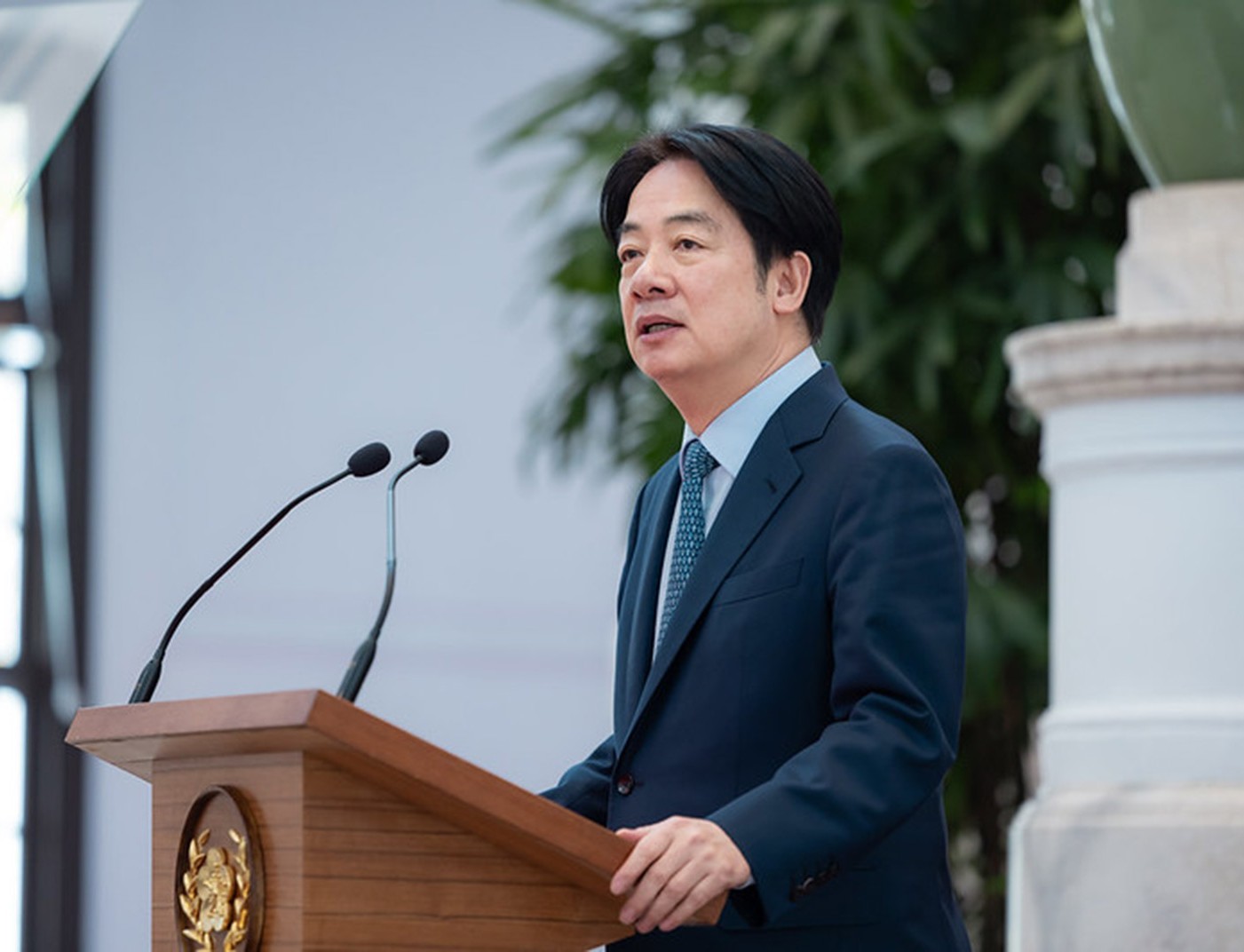
Saturday, May 2nd, 2026. A quiet landing in Eswatini – President Lai Ching-te of Taiwan walks out into warm air. This nation, tucked inland in southern Africa, stands alone on the continent: it still sees Taiwan as its own country. No fanfare greeted him. Trumpets stayed silent. Yet his presence mattered deeply because so much effort had gone toward blocking exactly this moment. Just arriving became a sharp message, spoken without words, echoing through diplomacy all year long.
Out of nowhere, things went sideways. Plans made months ago, shared publicly, meant as just another standard meeting between old partners. Suddenly, Beijing stepped in. What came next? A pushy, draining effort by China – one that failed – to block a leader traveling to see someone they trust.
Before He Could Leave the Doors Began Shutting
Before He Could Leave the Doors Began Shutt
Lai was supposed to fly to Eswatini on April 22. His plane would have crossed near islands in the Indian Ocean – Seychelles first, then Mauritius, followed by Madagascar – all places that typically agree to such flight paths without issue. Suddenly though, every one of them changed their minds midweek. Officials from Taipei stated plainly what many were thinking anyway – the shift happened because China pressured these nations financially, hinting that letting Lai through could lead to consequences they’d feel in trade deals soon after.
Stopped in its tracks, the journey got called off. Confirmation came from Taiwan’s Presidential Office on April 21st – permissions had been pulled. Even so, searching for another way forward kept going.
Right away, Taiwan’s foreign and defense officials started exploring workarounds. Their eyes shifted toward Europe. With the southern passage across the Indian Ocean blocked, maybe Lai could move west instead – stopping in Germany or the Czech Republic en route to southern Africa. Officials reached out to both nations. Germany confirmed the inquiry came in, then quietly judged that letting a Taiwanese president land in Frankfurt would stir too much trouble. Almost as soon as German leaders began weighing it, Beijing pressured them to say no – and they gave in. Just like others, the Czech Republic said no to helping with passage. It hit hard when thinking what might happen – should more African countries suddenly withdraw consent during travel, Lai could end up stuck across Europe, unable to move forward.
One moment it seemed quiet. Then Beijing moved fast, stretching its reach across oceans without warning. A plane meant for diplomacy suddenly faced roadblocks everywhere. Not just near home but deep into European skies too. All that effort focused on stopping one trip. What looked normal hid something bigger underneath.
He Reached Despite
After that moment, everything shifted in an odd way.
Late into the night, Taiwan’s crew mapped a fresh path – something hidden till chances slipped away. Before Lai left, silence ruled. There were no schedules shared. Officials said nothing in public meetings. Word spread only when he stood on soil and wrote online from where he’d arrived. While others hesitated, waiting for signals, his plane had already touched down in Eswatini.
Taiwan’s Foreign Ministry pointed out later that sharing news about a leader’s arrival only after touchdown follows common diplomatic habits when safety risks feel real. This time, considering prior events, holding back made perfect sense.
Down in Mbabane, the trip carried weight. Talks between Lai and King Mswati III moved things forward. Instead of just speeches, they sealed a deal on customs help, making cross-border trade smoother. Then came the joint statement – inked quietly, saying both sides still stand together. Lai gave clear credit to his diplomacy and security staff, saying on Facebook the trip happened thanks to quiet, steady effort out of public view. Over on X, his message tightened – Taiwan will keep reaching outward, no matter what stands in the way.
Not a stage show. Real diplomacy in motion, pressed hard by urgency – yet it held firm.
Beijing’s reply revealed more than planned
Right away, China responded when Lai’s messages appeared online – not just with anger, yet something deeper stood out. The speed hit fast, but what followed carried more weight than usual fury.
A top voice from China’s foreign ministry chose words far beyond usual diplomatic lines. Not a routine comment, but sharp dismissal met Lai’s journey – called nothing more than a clumsy show. It followed with an odd claim: he slipped away secretly, almost like a hidden passenger. That idea landed poorly, heavy with disrespect. The entire effort? Written off before it began, stamped useless, fated to collapse. Other nations got pulled into view – Eswatini named, some left unspoken – to watch closely, sense where things are moving, then step back from ties Beijing labels as defiance. What stood clear was not dialogue, but pressure shaped as warning.
What stands out is how strong the response was. When a powerful nation acts rattled by a leader visiting a small island of just over a million, it hints at deeper unease. That anger leaks what lies beneath – worry, not strength. Each moment Taiwan appears on the global stage – sealing deals, hosting officials, touching down abroad – chips away at China’s carefully built story. The claim that Taiwan stands alone, fading, losing ground, weakens every time it shows up somewhere visible.
A quiet reply came from Taiwan’s Foreign Ministry, saying the trip followed every rule known among nations. Not a single detail broke form or bent custom. One leader traveled to support another who stands together with them. Just routine carried out as it often is. No moments stood out. All steps stayed well inside accepted ways.
Eswatini’s Decision Stands on Its Own
When global tensions rise, tiny nations often vanish from view. This moment must not let Eswatini slip away unnoticed.
This small country, home to about 1.2 million souls, sits encircled by states that back Beijing rather than Taipei. One day prior to Lai touching down, China activated a broad move: zero tariffs for African partners – opening its markets without charge to 53 out of Africa’s 54 nations. Left out? Only Eswatini. That gap isn’t accidental. It stems straight from the kingdom’s choice to keep ties with Taiwan. While farms across the continent – Ghana’s cocoa fields, Kenya’s coffee plots, vineyards in South Africa – gain new advantage under this deal, Eswatini stands apart, receiving none of it.
Real money leaves pockets every day. Not someday maybe stuff, but actual loss piling up now, carried by regular people in Eswatini while leaders keep ties alive despite heavy pushback. Choosing to host Lai, signing fresh deals, taking the hit – these moves are not accidents. They stem from intent. One might question if it helps the nation long-term; that talk makes sense. Still, standing steady isn’t drift or default. It’s picked on purpose. Call it what it is: a choice made clear.
China’s Strategy Through the Full Story
From a distance, details fade but the shape of what’s happening shows itself.
Minutes before dawn, Beijing made more than a quiet protest. Right after Lai landed, harsh words spilled out in official releases. Three small islands found their flight approvals pulled under strong urging. Not long after, two nations in Europe blocked passage following heavy lobbying. Days earlier, China’s top diplomat had warned Washington: Taiwan could wreck trust between both powers like nothing else. The message arrived sharp, delivered one day prior.
This time, tools work together – tariffs squeeze while skies close, headlines shift, quiet talks push behind curtains, all circling one aim. Each tiny move toward belonging now drags through mud, slow and loud. The thinking? If standing tall always means bleeding energy, most will choose to kneel. Effort piles until giving up feels like rest.
Lai showed up empty-handed, proving the old plan has hit a wall. Through Taiwan came the path. With Eswatini’s help, passage stayed clear. Down touched the aircraft.
The Quiet Importance of Arrival
One thought sticks: when Lai’s people saw the flight cross into Eswatini, quiet confirmation on screens. Permits intact. No sudden cancellations. Weeks of shut gates, skies sealed by Europe, silence from officials – then this. Relief arrived slow, heavy, real. A breath held too long finally let go.
Taiwan’s leader, speaking from the capital after hearing the update, noted how global reactions show openness toward the island; his administration will keep reaching out to nations that value democracy like Taiwan does. That statement seems straightforward when written down. Yet what led to needing those words is far from clear or easy.
Silence would have suited Eswatini just fine – yet it spoke up anyway. Blocked at every turn, Taiwan slipped through sideways. China pushed hard, pulled strings, still came away empty-handed.
Out of nowhere, a quiet moment nearly missed becomes everything. A stumble at the start leads straight into what matters most. Not every beginning gets noticed right away. What slips through cracks can grow loud later. Almost gone, it shows up anyway.