
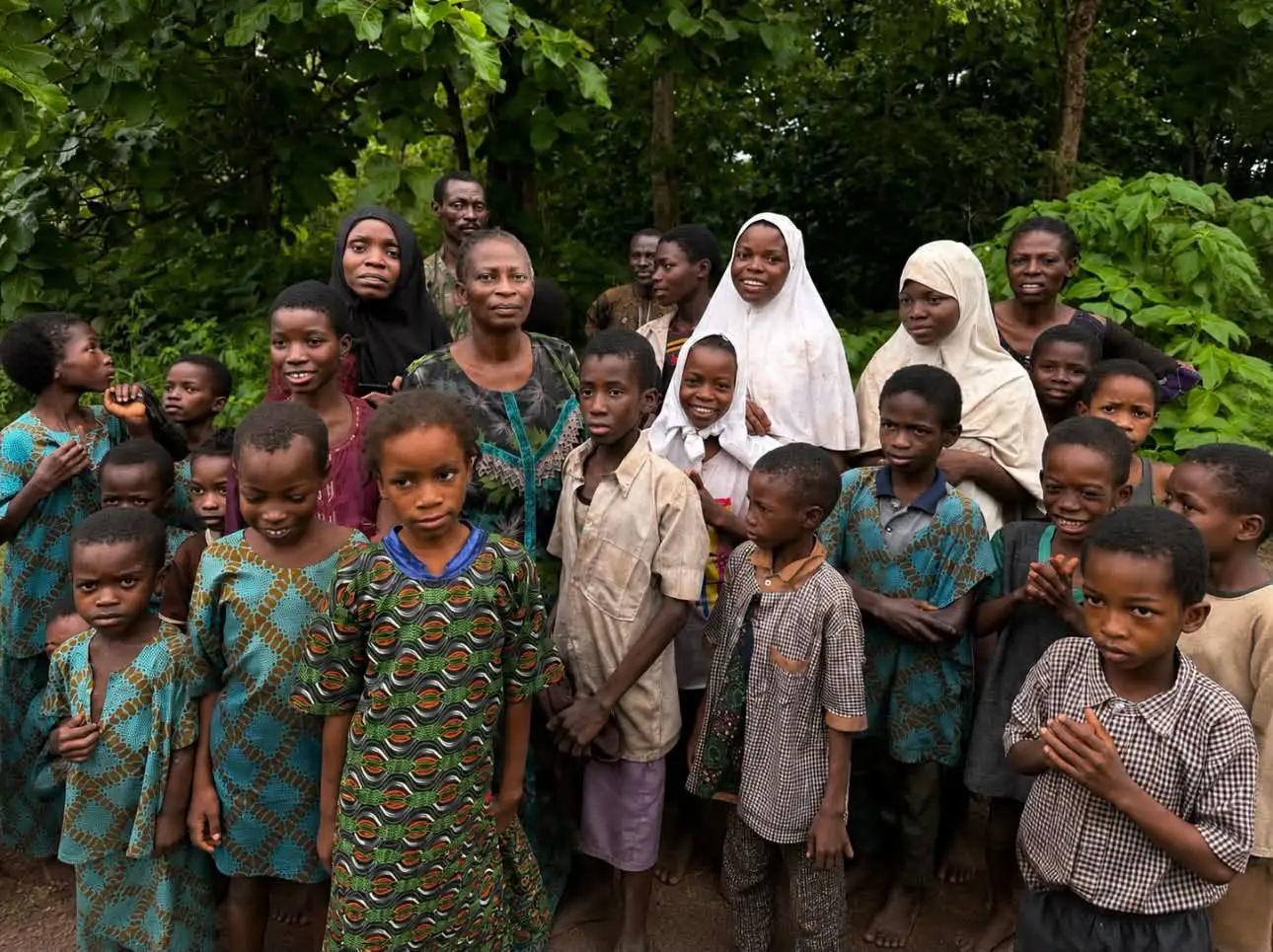
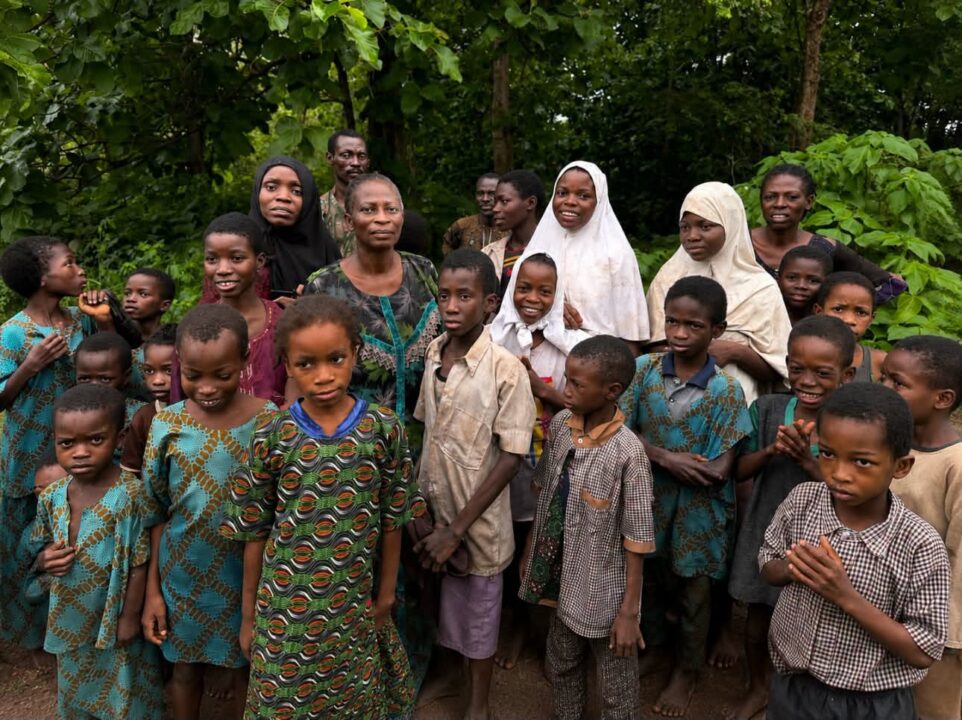
The Oyo schoolchildren rescue Nigeria has been celebrating hides a harder truth: children abducted the same day in Borno are still missing. On Friday, the presidency finally delivered the news the country had been holding its breath for — the Oyo schoolchildren rescue in Nigeria was complete, and everyone of them was free.
It should feel like unqualified relief. In some ways, it does. But if you’ve been paying attention to how Nigeria handles these episodes — the pattern, not just the headline — you already know that celebration without scrutiny is how this cycle keeps repeating itself.
A Rescue Built on Two Months of Silence
The attack on Baptist Nursery and Primary School in Yawota, and two neighboring schools in the Ahoro Esinele community, was not a stealth operation. Gunmen struck three schools simultaneously in Oriire Local Government Area, and by the time the dust settled, dozens of children — some as young as two — were gone, along with the teachers who had tried to protect them. One of those teachers did not survive captivity.
For nearly two months, the government’s public posture was largely reactive: statements of condemnation, a promise that “the federal government was working alongside Oyo state authorities,” and little else that families in Oriire could hold onto. Meanwhile, a parallel abduction unfolded the same day in Borno State, in the country’s northeast — more than forty children taken from their schools. Those children are still missing. Nobody in Abuja held a press conference about them this week.
That asymmetry matters. It tells you something uncomfortable about which kidnappings generate enough political pressure to move the machinery of the state, and which ones don’t. Oyo is in Nigeria’s southwest — a region that had, until May, been largely spared the mass school abductions long associated with the north. When violence crosses into a “safe” zone, the political cost of inaction rises sharply. When it stays confined to Borno, apparently, the calculus is different.
The Operation Itself Deserves Credit — and Questions
By the military’s own account, this was not a lucky break. It was a month-long, intelligence-led campaign involving the Nigerian Army’s 2 Division, special forces units, the Department of State Services, the National Intelligence Agency, police, and local vigilante groups — the Amotekun corps among them. Officials say the effort focused on identifying the ringleaders behind the kidnapping and dismantling their logistics network inside Old Oyo National Park, rather than simply storming in blind.
That is, on its face, the right approach. Nigeria’s security forces have been criticized for years — fairly — for reactive, poorly coordinated responses to kidnapping-for-ransom gangs who have turned school children into a business model. If this operation really was as methodical as officials describe, it’s worth acknowledging.
But “well-coordinated” doesn’t mean “clean.” The military has confirmed there were casualties among security personnel during the rescue, after attackers reportedly planted improvised explosive devices along the extraction route. Defence Minister Christopher Musa has said the kidnappers were using the children explicitly as leverage to negotiate for the release of detained commanders — and that they threatened to kill hostages if security forces moved in. The presidency insists there was no quid pro quo. Nigerians would be right to ask how, exactly, fifty-six days of captivity ended without one, given that eight suspects were arrested and an unspecified number killed in the operation, not the entire network.
Details like this shouldn’t be treated as footnotes to a good-news story. They’re the difference between a genuine security win and a rescue that simply relocates the problem two states over.
Ransom Economics Nobody Wants to Talk About
Here is the part of this story that Nigerian officials consistently avoid saying plainly: school kidnapping in Nigeria is not primarily an ideological insurgency tactic anymore. It’s an industry. Armed groups reportedly pulled in more than $1.6 million in ransom payments in a single year, according to security analysts tracking the trend. Boko Haram may have pioneered the mass school abduction as a terror tactic over a decade ago in Chibok, but what’s metastasized since is a broader ecosystem of criminal gangs who’ve learned that Nigerian children are among the most reliably profitable hostages on the continent.
Late last year alone, gunmen abducted two dozen girls in Kebbi State and roughly 300 students and teachers in Niger State. This is not an isolated tragedy. It is a business cycle, with the state cast in the unenviable role of primary customer.
Until that economic incentive is dismantled — not just individual cells, but the payment pipelines, the informant networks, the willingness of federal and state governments to quietly negotiate rather than confront — every rescue, no matter how well executed, will be followed by another abduction. The military’s own statement thanks “local vigilantes/hunters/Amotekuns” for their role in this operation, a quiet admission that formal state security capacity alone isn’t sufficient to protect rural schools. That’s not a compliment to community resilience. It’s an indictment of how thin state protection has worn.
What Comes Next Matters More Than What Just Happened
President Bola Tinubu called the operation a source of relief for “the entire nation.” Governor Seyi Makinde’s administration will now oversee the reunification of these children with their families, a process that deserves to be handled with real trauma-informed care, not just photo opportunities. The teachers who kept children calm through nearly two months of captivity — organizing prayers, rationing food, comforting frightened toddlers in the dark — are the actual heroes of this story, and they should be treated as such, not as a footnote to a presidential statement.
But Nigeria’s press, and its citizens, cannot let this rescue close the book on the larger question: what happens to the children still in Borno? What happens to the next rural school that becomes a target the moment this news cycle fades? Nigeria doesn’t have a shortage of dramatic rescue operations. It has a shortage of prevention — and prevention has never made for as good a headline as a rescue does.
That is the uncomfortable truth sitting underneath Friday’s good news. Celebrate the homecoming. Then ask, loudly, why it took fifty-six days and a small army to get there — and why the same question isn’t being asked about Borno.