On Friday, April 10th, the small Horn of Africa nation of Djibouti held a presidential election. The result was never really in doubt.
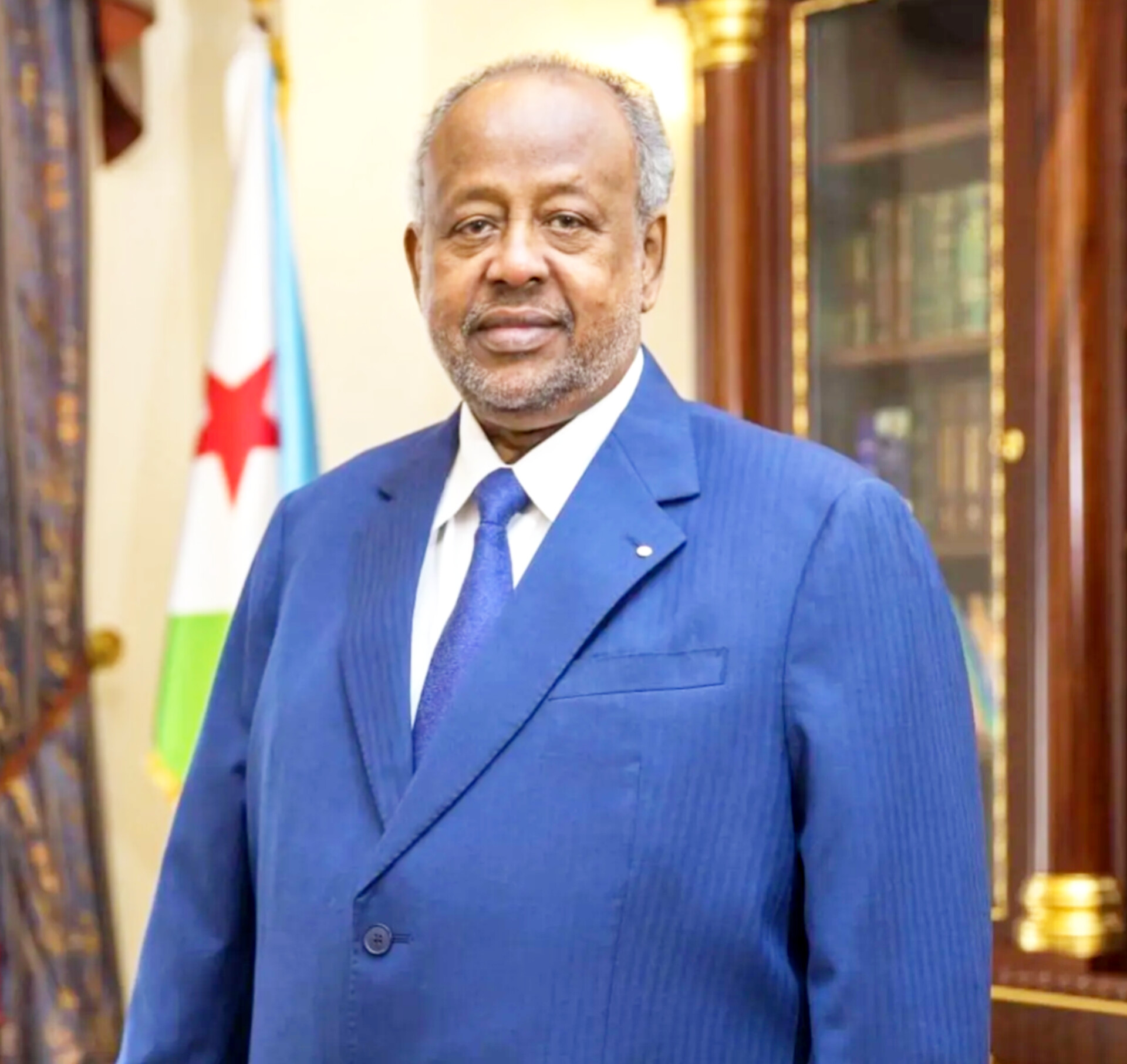
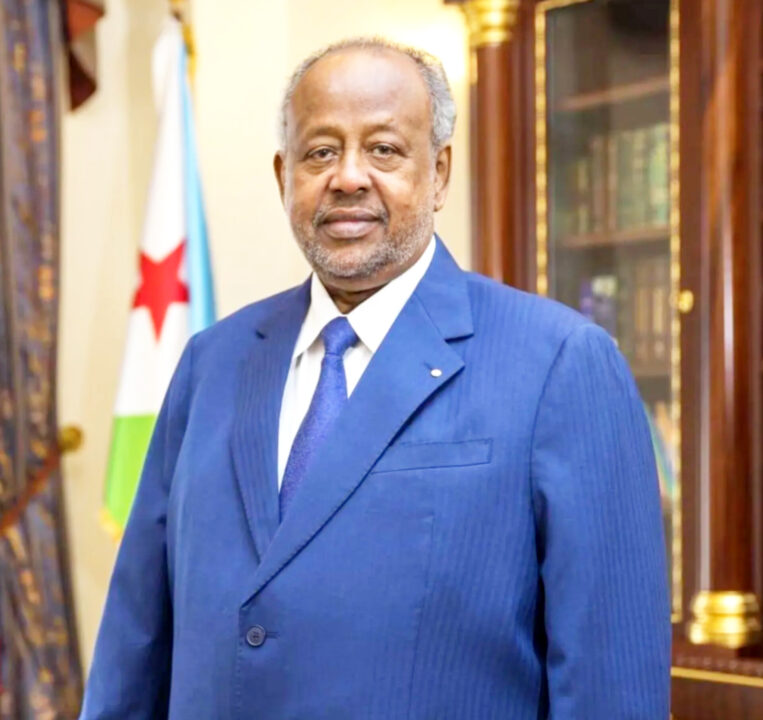
President Ismaïl Omar Guelleh, 78, was reelected for a sixth term after official results showed him winning 97.81% of the vote. His sole opponent, Mohamed Farah Samatar of the Unified Democratic Centre party, earned just 2.19%. Voter turnout was reported at 80.33%.
How did we get here?
Guelleh has governed this small nation of roughly one million people since 1999, when he succeeded Hassan Gouled Aptidon, the country’s founding president. That’s 27 years and counting. But there was a legal hurdle standing in his way — he was actually too old to run again, until his allies quietly removed that obstacle.
In October 2025, all 65 members of the Djiboutian parliament unanimously passed a bill lifting the presidential age limit of 75, clearing the path for Guelleh to stand for a sixth term. The move was swift and coordinated. Critics were not impressed. The president of Djibouti’s League for Human Rights, Omar Ali Ewado, warned that the change was essentially laying the groundwork for a presidency for life.
A race with no real competition
Even before polls opened, few people were genuinely asking who would win. Guelleh’s face was everywhere — posters plastered across the capital, packed campaign rallies, state media coverage. His opponent, Samatar, a relatively unknown former member of the ruling party, struggled to get traction. At one of his campaign events broadcast on state television, just a few dozen people showed up.
One voter, 38-year-old Deka Aden Mohamed, summed up the mood on election day when he told reporters he was voting for Guelleh — and then admitted he didn’t even know what the other candidate looked like.
The country’s main opposition parties didn’t even bother fielding a candidate, continuing a boycott that has been in place since 2016. One former presidential advisor said he wanted to run but felt he couldn’t safely return to the country to do so.
Why the world stays quiet
Despite the democratic concerns, international reaction has been largely muted — and the reason isn’t hard to find. Djibouti punches well above its weight on the global stage. It hosts military bases for the United States, France, China and several other major powers, giving it an outsized strategic importance for such a small country. It also sits at the entrance to the Red Sea, along the Bab al-Mandab Strait, a maritime chokepoint through which an estimated 12 to 15 percent of global trade passes. For the world’s major powers, keeping Djibouti stable is simply more important than pressing it on democratic norms.
What happens next?
Guelleh has faced recurring health questions in recent years, and there is quiet speculation in political circles that he may be positioning his 61-year-old stepson, Naguib Abdullah Kamil — currently the Secretary General of the Prime Minister’s Office — as an eventual successor. For now, though, the question of succession remains unanswered.
As the early results rolled in on election night, Guelleh didn’t give a speech or hold a press conference. He went on social media and posted a single word: “Reelected.”
African Dictators will keep changing the constitution with support from the west. The moment the leader in power is their puppet!!!! They really don’t care.