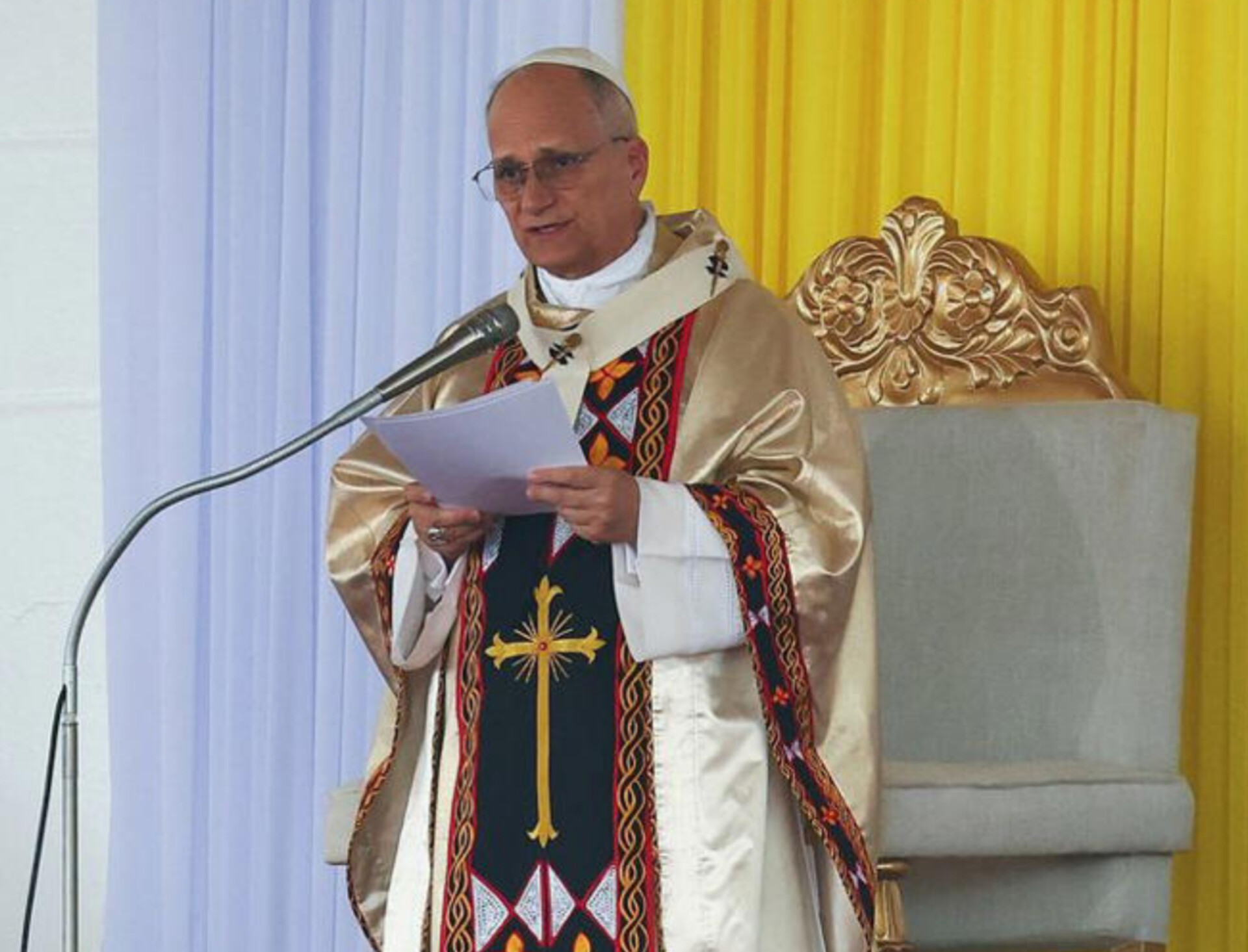
There’s a moment you notice in Cameroon whenever something significant happens — a brief pause, a collective exhale, a flicker of something that looks like hope. The Pope’s visit was one of those moments. Bigger than most, if I’m honest.
People lined the streets. Women wept. Communities that have felt invisible for years suddenly felt seen. And when he spoke — really spoke — about peace, about dignity, about the suffering that many in power have spent years pretending doesn’t exist, it landed differently than the usual diplomatic platitudes. It felt true.
But then the cameras cut away. And the familiar feeling crept back in.
The ministers who wouldn’t go to Bamenda
Here’s the detail that stays with me. When the Pope went to Bamenda — the heart of a region that has been burning for years — much of the political class that had been so eager to stand beside him in Yaoundé suddenly found reasons to stay behind. No official explanation. Just empty spaces where leadership should have been.
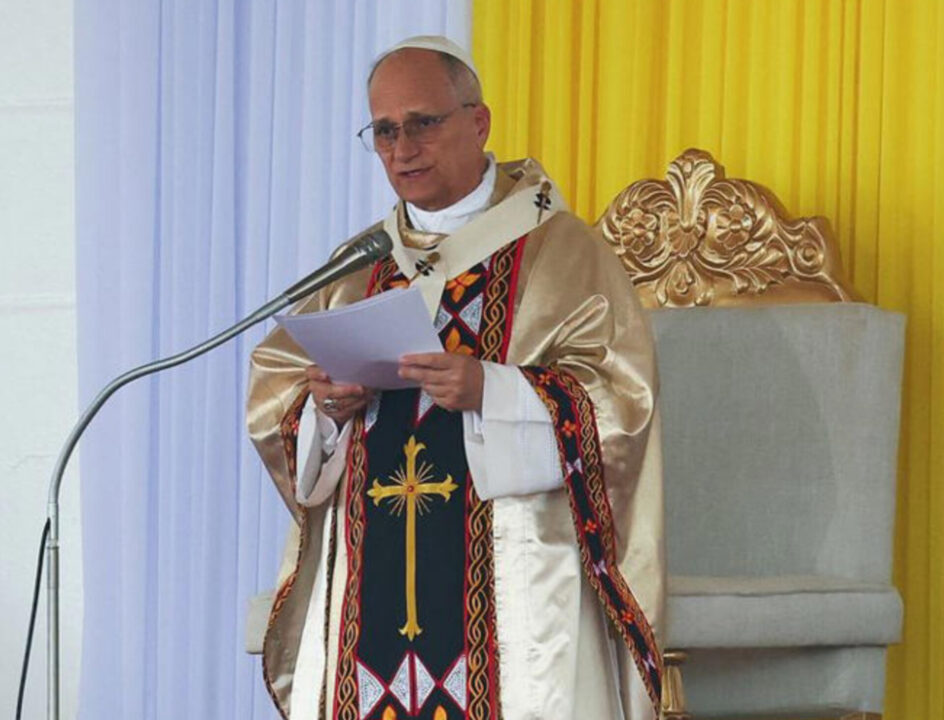
You don’t need a political science degree to understand what that absence meant. These are the same people who have stood at podiums insisting there is no crisis, no conflict, no problem worth serious attention. Going to Bamenda would have meant standing in the middle of the thing they have spent years refusing to name. So they didn’t go.
The Pope went anyway.
They cut the broadcast
And then — and I still find this almost too on-the-nose to believe — parts of his message were cut from the national broadcast. Technical issues, apparently. Maybe. Or maybe a man speaking directly about power and accountability is just too inconvenient to air without interference.
Either way, the instinct to manage an uncomfortable message, even one coming from the Pope, tells you everything about how deep the habits of control run in this country.
Hope is real. So is the system.
I don’t want to be cynical about this. I genuinely don’t. The visit mattered. For people in communities that have survived years of violence and neglect, having the world’s moral weight turned in their direction — even briefly — is not nothing. It is something. It may strengthen local leaders, give civil society a moment of momentum, remind ordinary people that their suffering is real and recognised.
But I’ve lived in this country long enough to know that inspiration and structural change are different things. The people who would need to act — the ones who stayed behind in Yaoundé, the ones who edited the broadcast — did not look transformed. They looked like they were waiting for it to be over.
The Pope can walk into a country and speak the truth. What he cannot do is make the people who need to hear it actually listen.
What comes next
Cameroonians are not naive. Most of us have learned to feel hope and doubt at the same time — it is almost a survival skill at this point. We wanted the visit to matter. We let ourselves feel it. And now we watch to see whether anything follows.
A pause in violence during a papal visit is not peace. A speech that moves people to tears is not a policy. Acknowledgement from outside is meaningful, but it is not the same as accountability from within.
The Pope came. He said what needed to be said. The crowd felt it deeply.
The system is still there, largely unmoved.
While staying in the Philippines I started looking for a good budget power bank.
This buying guide really helped me https://gadgetworldnews.com/blog
It was difficult to find honest recommendations with real specs.
The guide helped me pick a model with surprisingly good battery life.
Helpful recommendations for anyone looking for a cheap power bank.
I’ve always liked historical artifacts, but only recently started researching numismatics seriously.
My research eventually led me to https://groshi.xyz/
I was looking for guides on identifying valuable coins, but many websites were difficult to understand.
On this website I found interesting materials about antiques and collectible coins. The platform covers different aspects of numismatics and antique collecting.
I would suggest visiting this website if you’re interested in antiques, collectible coins, or simply want to read more about the fascinating world of numismatics.
At some point I got curious about the real price of old coins.
I came across this article.
It was hard to find easy-to-understand information. Most sources were too general.
The history and pricing were explained in a simple way.
On this page I found structured info.
Worth your attention if you’re interested in coins, gold, or real asset value.
A professional Canadian medical website evidence-based health guidance: https://doctorhealthnews.com
I know why evidence-based medical articles matter.
I recently came across the medical articles published on Doctor Health News, a Canadian health platform where healthcare experts share clear explanations of medical conditions.
The content is well-structured and medically accurate, which makes it especially useful for readers looking for reliable health guidance.
They also cover mental health topics, which is a big plus if you’re trying to take a more informed approach to your overall well-being.