They found him before most of Bujumbura had woken up. Thursday morning, April 16, Gabby Bugaga — Burundi’s Minister of Media and Communication — was slumped over the steering wheel of his Toyota 4×4, parked deep inside a palm oil plantation in Kivoga, a quiet district northwest of the city along the road to Bubanza. The left door of the vehicle was open. A head wound was visible. The cabin itself showed almost no sign of impact.
By mid-morning, some of the country’s most senior officials had descended on the scene — the interior minister, the justice minister, the attorney general, and multiple security officials. Yet, as of 11:00 a.m., no official statement had been issued to the public. The silence, for many observers, spoke louder than any communiqué could.
The man
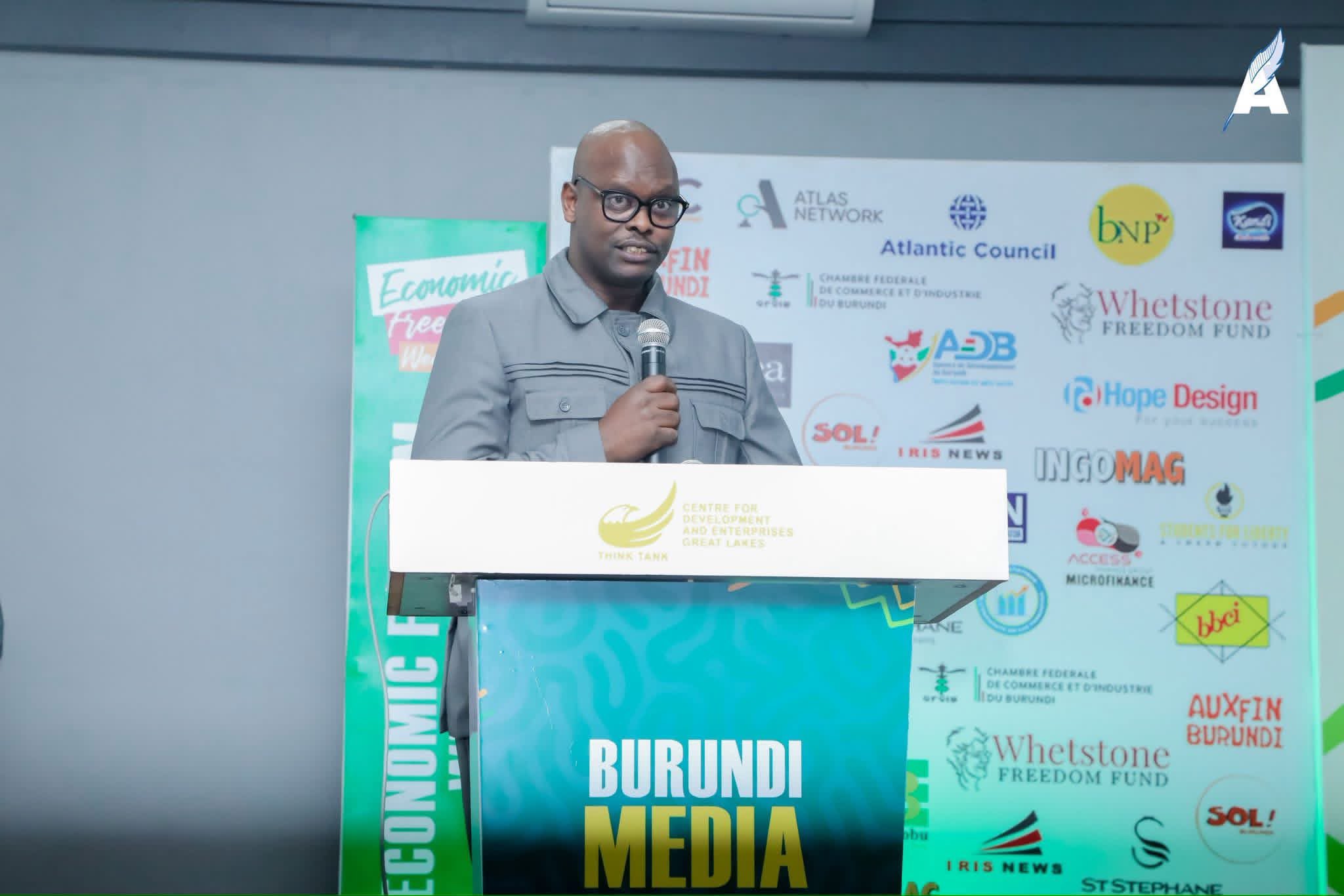
To understand why this death has unsettled Burundian media circles, it helps to understand who Bugaga was. He was not a career politician. He came up through broadcasting — years spent at the National Radio and Television of Burundi, the state broadcaster — before moving into the institutional machinery of government communications. He worked as a spokesperson for the Senate president, then joined the Independent National Electoral Commission ahead of the 2025 elections, overseeing logistics and procurement. In August of that year, President Évariste Ndayishimiye handed him the communications portfolio during a cabinet reshuffle that simultaneously reduced the total number of ministries.
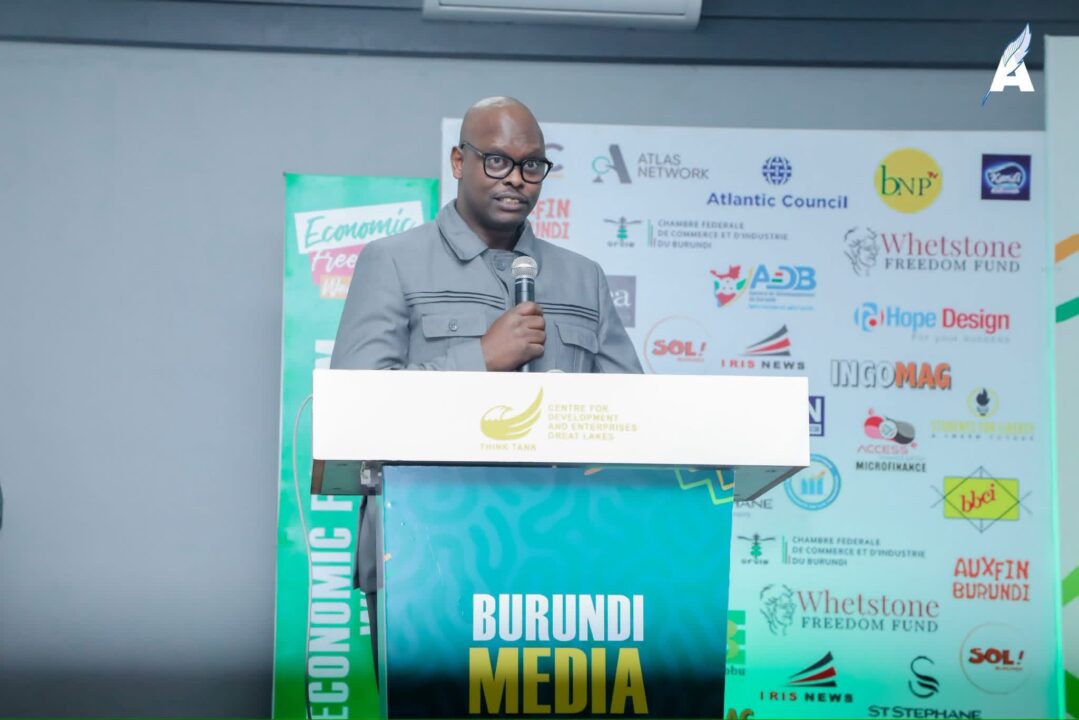
In short, Bugaga was a media man thrust into a political role at a sensitive moment. Burundi is heading toward a presidential election in 2027. His ministry sat at the intersection of information control and public narrative — a position that, in this part of the world, can be both powerful and precarious.
The questions
Government spokesman Jérôme Niyonzima told the national broadcaster that Bugaga had died in a car accident. That was the official line. But at least one police source, speaking anonymously to AFP, was direct about their doubts. The wound on the minister’s head, they noted, did not correspond with the condition of the vehicle. The front showed no sign of collision. Only minor scuffs were visible on the rear and side panels. “The government does not want a scandal,” the source said, “and has decided to bury the case without an official investigation.”
A separate administrative official told the same outlet that an investigation was, in fact, underway — though what form it would take and who would lead it remained unclear. As of this writing, no independent forensic review had been publicly confirmed, and no successor to Bugaga had been named.
On the platform X, President Ndayishimiye offered condolences. He described himself as “deeply saddened” and praised Bugaga’s “courage, diligence and dedication” to the country. The Ministry of Communication posted its own message of dismay, extending sympathies to the minister’s family and to the broader media community he had spent his career serving.
The context
Burundi’s relationship with its own recent history makes ambiguity around a minister’s death especially charged. In 2017, Environment Minister Emmanuel Niyonkuru was shot dead — a killing that arrived in the shadow of the political crisis that had erupted two years earlier, when then-President Pierre Nkurunziza’s decision to seek a third term triggered mass protests and a failed coup. Hundreds of people died in the violence that followed. Political killings, real and alleged, became part of the country’s vocabulary.
The current government under Ndayishimiye has made efforts to project stability and openness, particularly compared to the Nkurunziza years. But press freedom remains constrained, and the space for independent scrutiny of official events is limited. That context is what makes the absence of a transparent, independent investigation — rather than the accident classification itself — the story that journalists and activists are watching most closely.
Bugaga’s death is also one of several high-profile fatalities involving African officials in recent months. In March, Kenyan MP Johana Ng’eno was among six people killed when a helicopter crashed in Nandi County, a tragedy that triggered its own wave of questions about safety and accountability.
What happens next
Without an independent post-mortem result made public, without a named successor at the communications ministry, and with conflicting signals from inside the government itself, the circumstances of Gabby Bugaga’s death are likely to remain a source of speculation and tension. The Burundian media community — the community he came from — will be watching carefully. So will regional press freedom organisations.
What is certain is this: a minister whose job was to shape information has died in circumstances that information alone has not yet been able to explain.