
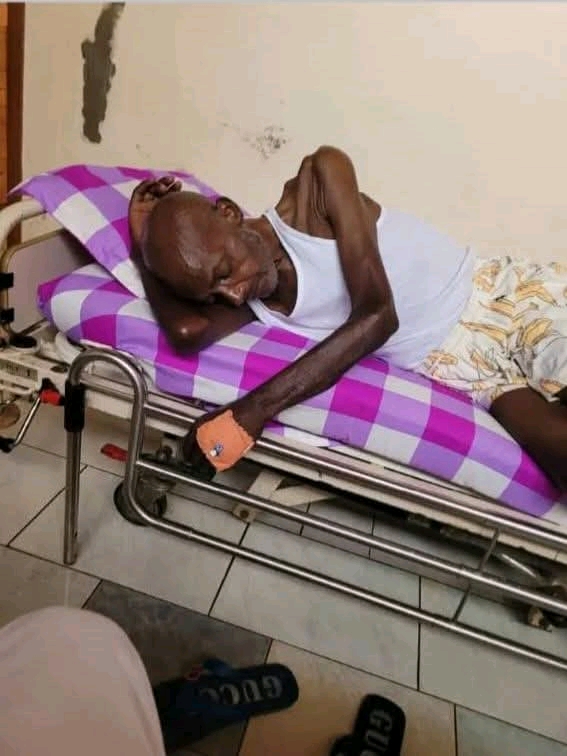
According to reports from other inmates and human rights organizations, a detainee named Patrick Ndangoh has passed away at the Kondengui central prison in Yaoundé, Cameroon after suffering several years of deteriorating health conditions as a result of being tortured, held incommunicado for years, and denied sufficient access to medical care.Mr. Ndangoh had been incarcerated since 2017 after being apprehended during one of Cameroon’s violent crackdowns on the Anglophone minority. He is said to have been taken into custody by the Cameroonian army and detained for many months in an underground cell located within the Ministry of Defence’s Secretariate of State for Defence (SED) building in Yaoundé. Former detainees describe this SED bunker as cramped, cramped, and lacking ventilation; and they speak of being regularly beaten, deprived of sleep, and denied access both to their lawyers, as well as to their family members.
Testimony from witnesses indicates that Ndangoh is in a group of detainees shown in the clandestine video recorded inside the security service’s SED bunker. Following the release of the video, security officers allegedly punished Ndangoh and some of his fellow detainees by beating them severely. Ndangoh’s heatlh began to deteriorate shortly thereafter.According to one former detainee, “He was never the same after that. He could hardly stand up. He complained of having stomach pains every single day, but no one paid attention to him.”As Ndangoh’s health continued to get worse after he was transferred to Kondengui Principal Prison, inmates stated he began to have blood in his stool on a regular basis and to get weaker and weaker each day. Even though he applied for medical attention over and over again, the prison did not take him to a hospital.
“He needed urgent treatment, but the authorities ignored him,” another detainee reported. “We watched him suffer until he couldn’t fight anymore.”
Now questions arise again about how Cameroon handles people held over the Anglophone crisis. For years, watchdogs say officers have locked up individuals without cause, used harsh methods, then kept them locked away – never brought to court. Inside Kondengui jail? Severe crowding shows. Bathrooms barely work. Healthcare almost absent.
Ndangoh’s case, advocates say, reflects a broader pattern of abuse. “This is not an isolated incident,” a rights observer noted. “It is part of a systemic failure to protect detainees and uphold basic human rights.”
So far, officials in Cameroon haven’t said anything about Ndangoh’s passing. Silence remains on their part since the incident occurred. Public updates are missing at this stage. No official words have come forward from government channels yet. Their response, if any, stays out of view so far.
Still, unrest lingers across the nation’s Anglophone areas, yet voices rise – saying lives stay on edge without swift changes to how things are run.