
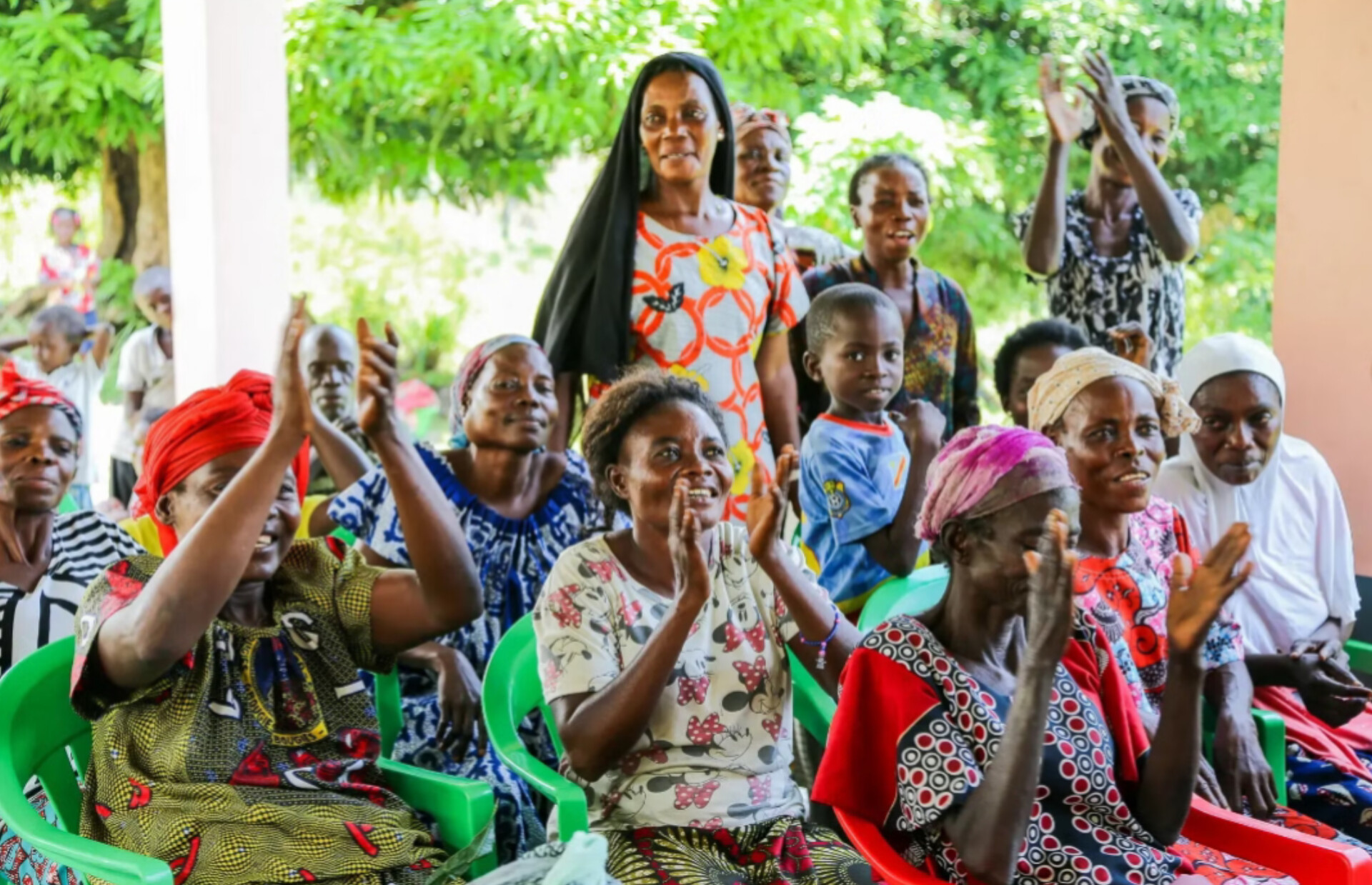
GOMA, DRC — You can hear them before you see them. Above the low hum of motorcycle taxis and the dust of Goma’s volcanic streets, there is a sound that doesn’t quite fit the city’s reputation for chaos: the steady, rising harmony of women singing.
In a region where “peace” usually feels like something discussed by men in suits at expensive hotels, these women are building it from the ground up. They aren’t waiting for a ceasefire or a treaty. They’re using music to survive.
Finding a Voice in the Dust
For years, the story of North Kivu has been one of displacement and “unrest”—a sterile word for the lived reality of fleeing your home in Rutshuru or Masisi with nothing but what you can carry. For many of the women now gathered in Goma’s communal spaces, the silence that followed the violence was the hardest part.
“I stopped talking after we left our farm,” one mother of four told me. She asked to remain anonymous, her eyes fixed on the floor before the music started. “When you lose everything, you lose your voice. But when we started singing the old songs from home, I remembered who I was. I wasn’t just a ‘displaced person’ anymore. I was a singer.”
More Than Just a Melody
These aren’t just choir practices; they are survival meetings. The groups are a messy, beautiful mix of ethnicities that, outside these walls, are often at odds. But here, the harmony requires everyone. You can’t hold a grudge and hold a high note at the same time.
- The Safe Space: For an hour or two, the trauma of the camps or the fear of the next militia movement is pushed aside. It’s informal therapy, rooted in the dirt and the culture, not a clinical office.
- The Financial Edge: It’s not just about the soul; it’s about the stomach. Some of these collectives have started performing at local markets or weddings. The Congolese francs they earn might be modest, but it’s enough to buy charcoal or school pens, giving these women a shred of independence in a world that tries to take it away.
Flipping the Script
The world usually looks at eastern Congo and sees a tragedy. The women in these circles see a future. When they perform in the crowded markets, they aren’t asking for pity. They are standing tall, reclaiming a narrative that has been stolen from them by decades of conflict.
As one performer put it after a particularly loud rehearsal: “The guns make a lot of noise, but they don’t have a rhythm. We do.”