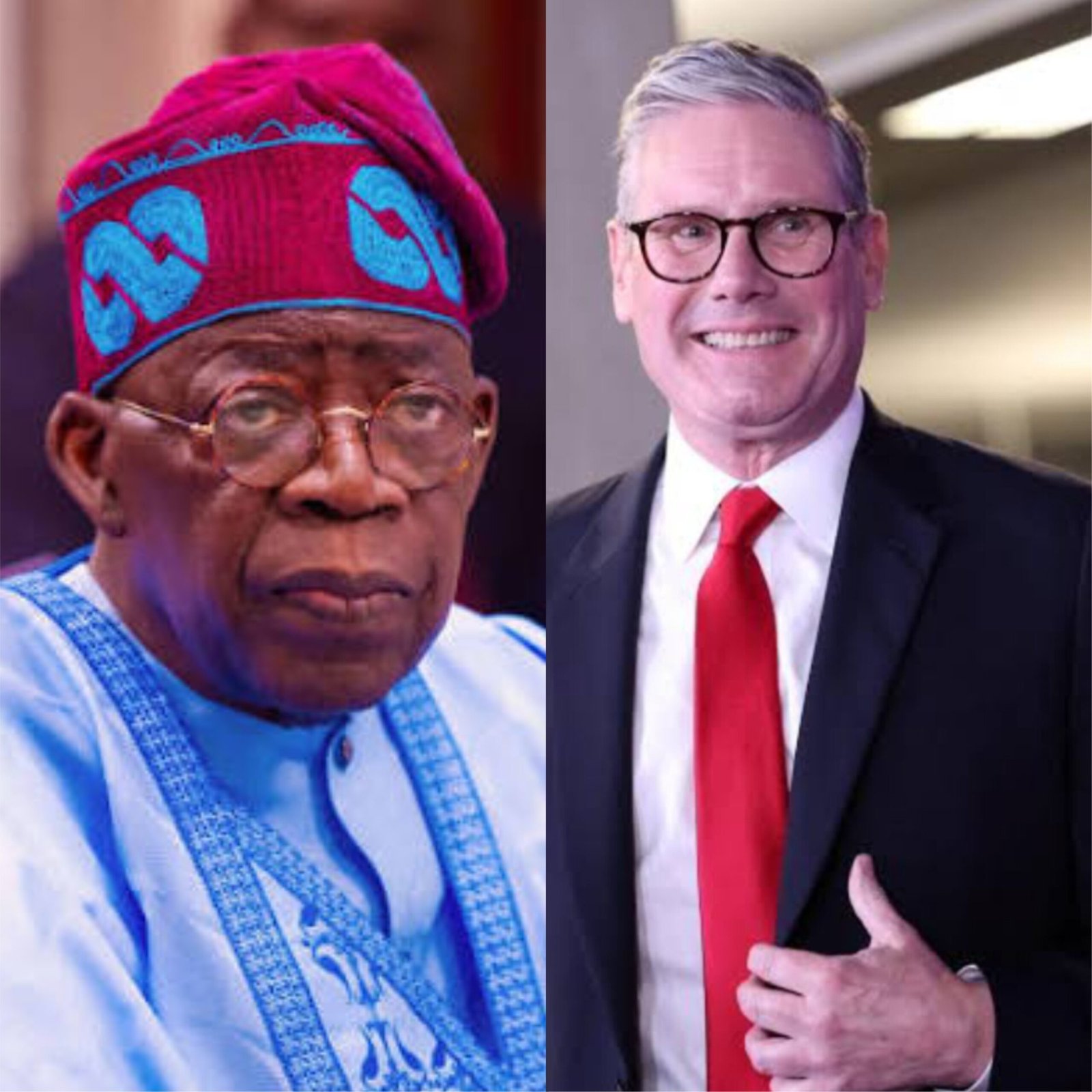
Nigeria’s President Bola Ahmed Tinubu has just returned from a two‑day state visit to the United Kingdom, where he was hosted by King Charles III and Queen Camilla and held meetings with Prime Minister Keir Starmer on security, trade and investment. We keep hearing about big figures, flashy agreements and promises of new projects—especially around ports, trade and economic cooperation. On paper, it all sounds impressive. But as an ordinary Nigerian, I have to ask: what do these trips really mean for people struggling to survive back home?
While the president was being received with red carpets and royal ceremonies in London, many families in the northern part of our country were mourning fresh killings and attacks. People are living with fear every single day—afraid to travel, afraid to sleep with both eyes closed, unsure if their loved ones will return home. In that kind of reality, seeing our leader smiling for cameras abroad feels deeply painful. It sends a message, whether intended or not, that international prestige matters more than the blood being shed in our communities.
This is not even the first foreign trip or high‑level visit we’ve seen. We’ve watched our leaders announce deal after deal, sign MoUs and talk about billions in investment. Yet the average Nigerian is still battling high food prices, fuel costs, joblessness, poor electricity and insecurity. When I go to the market, I don’t feel “foreign investment”; I feel frustration. When I hear of new agreements, I don’t see them in the form of better schools, safer roads or functioning hospitals. It is hard not to feel that these journeys benefit a few at the top far more than the people at the bottom.
Another painful part is the size of the delegations that travel with the president. At a time when citizens are being told to “tighten their belts,” we see long lists of officials on these trips, with all the costs that come with flights, hotels and allowances. It sends the wrong signal—one of insensitivity and distance from the reality of the ordinary Nigerian. Cutting the cost of governance should not just be a slogan; it should be visible in the choices our leaders make, especially in times of hardship.
That brings me to the big question: who truly gains from these deals—Britain or Nigerians? The official line is that both sides benefit, but experience has taught us to look closely. Too often, it seems foreign companies and a small circle of political and business elites gain first, while the promises to ordinary citizens are delayed, diluted or simply forgotten. Until Nigerians can point to concrete changes in their daily lives—safer communities, stable power, affordable food, decent jobs—it will be hard to believe that these trips are really about us.
For me, it is simple: a successful foreign visit is not measured by the number of handshakes, speeches or signed documents. It is measured by whether the pain in our communities begins to ease. Until that happens, many of us will continue to see these travels not as victories, but as a painful reminder of how far our leaders are from the reality on the ground.